
Looking Back at the 2026 FDM.SH General Assembly
Published on: November 13, 2026
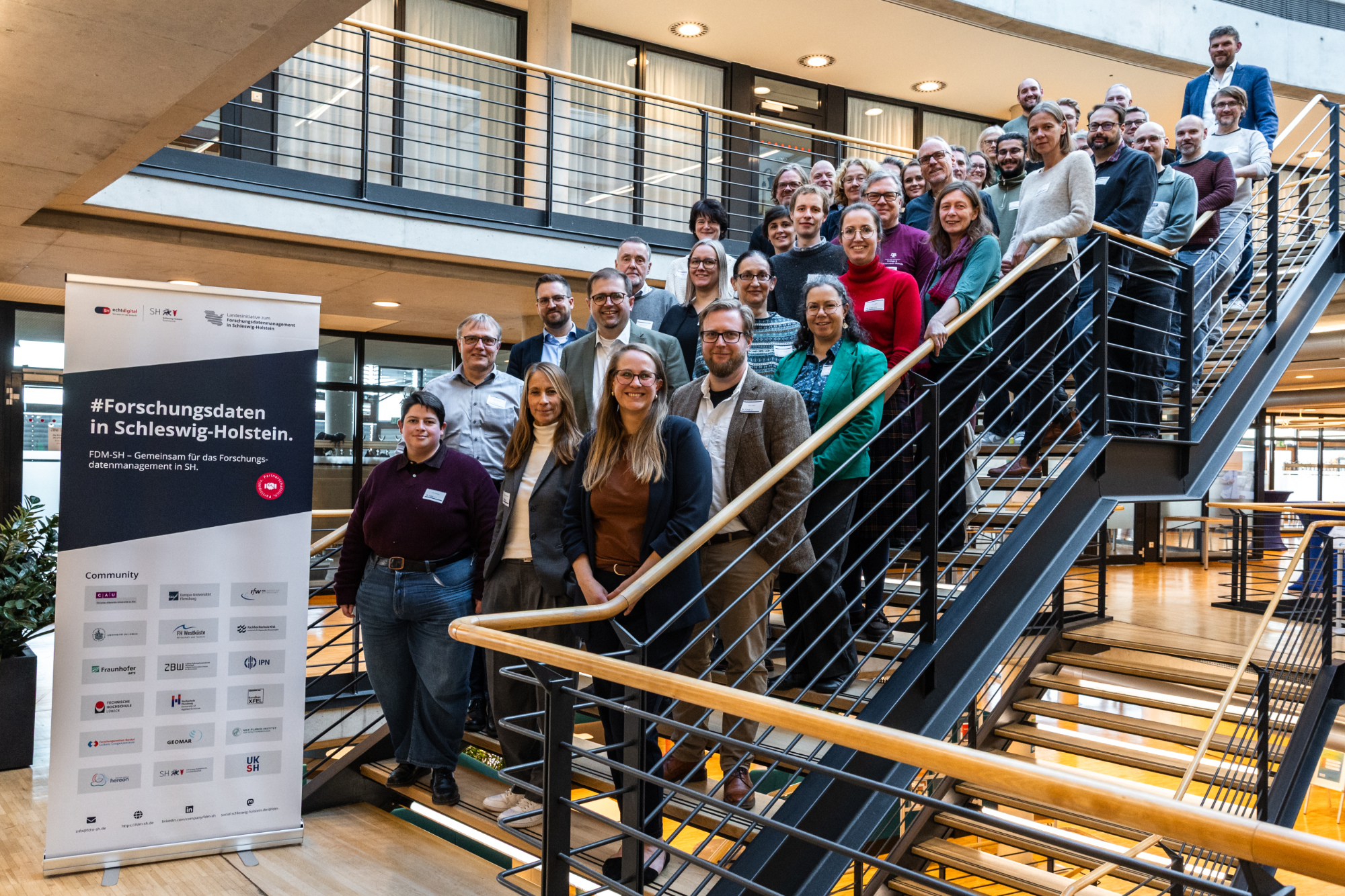
On 13 November 2026, members of the FDM.SH community gathered at ZBW in Kiel for their second General Assembly. In addition to providing insights into the activities and achievements of the state initiative so far, the event offered opportunities for personal exchange and a joint discussion on the future of research data management in Schleswig-Holstein.
Interest Groups Kicked Off the Day
Even before the General Assembly officially began, the Interest Group on Persistent Identifiers (IG PID) held its kick-off meeting. The Interest Group on Policies (IG Policies) also took the opportunity to meet in person.
Insights into the State Initiative’s Work
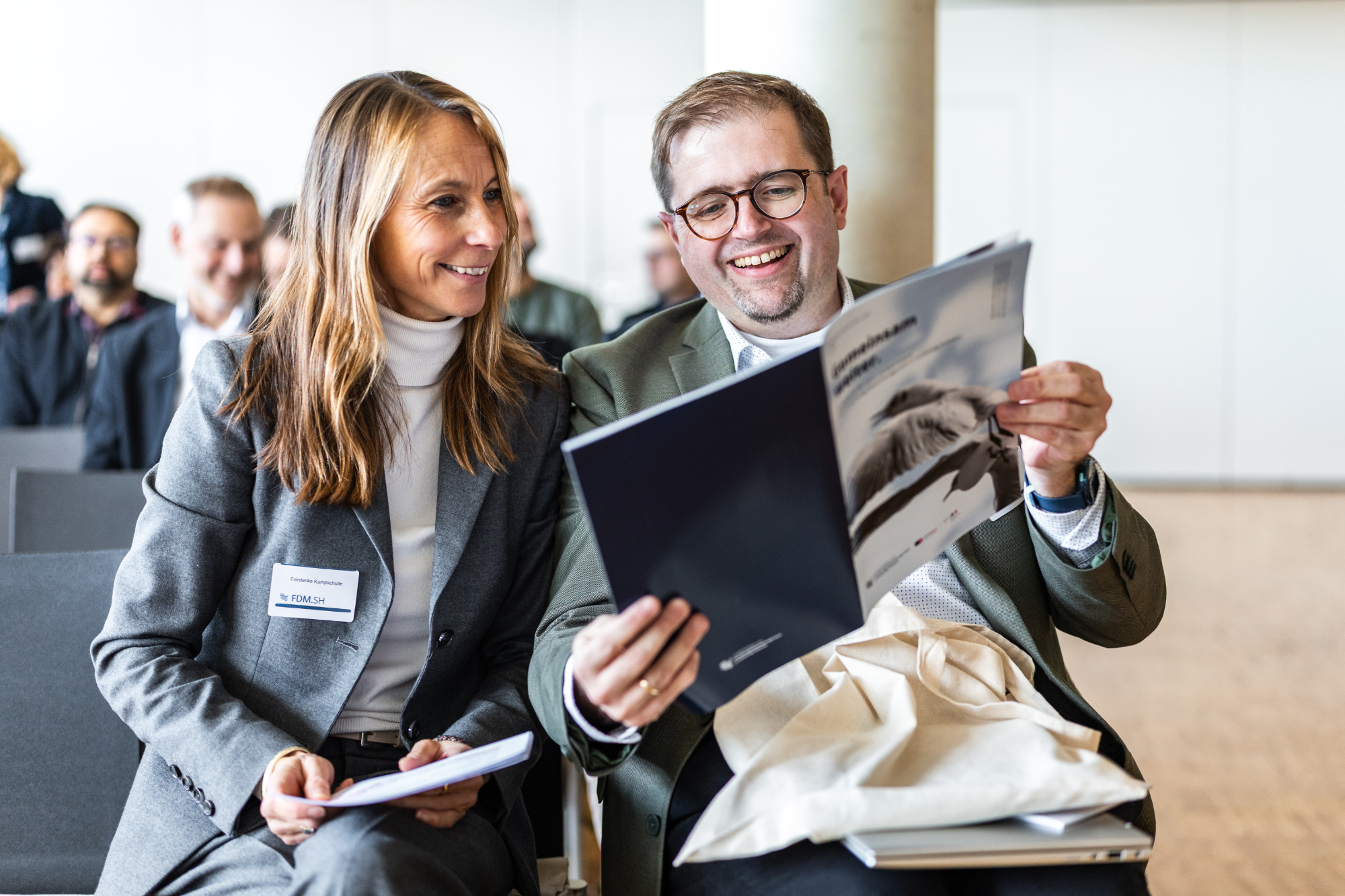
The General Assembly opened with a welcome address by Friederike Kampschulte from the Schleswig-Holstein Ministry of Education. FDM.SH project lead Karen Bruhn then reflected on the initiative’s activities and achievements to date.
Nicole Taylor and Stefan Magnussen subsequently presented the initiative’s work on third-party funding acquisition and project development. A particular focus was the development of practical guidance documents to support the FDM.SH community in preparing funding applications for various programmes, especially the DFG’s LIS funding programme and DigitalHub.SH. In the future, this support could be extended to additional funding opportunities.
The event also celebrated the community’s commitment and contributions. For the first time, FDM.SH presented its Community Awards. Through specially designed symbolic awards, the state initiative expressed its appreciation to the Interest Groups (IGs) and Working Groups (AGs) for their ideas, dedication and valuable contributions. Each group received its own individual award. For example, the Working Group on Competence Development received the “Knowledge Booster Award”, the Interest Group on Electronic Lab Notebooks (IG ELN) was honoured with the “Paperless Pioneer Award”, and the Working Group on OMICS received the “Data Explorer Award”.
Research Data Management in 2031: What Lies Ahead?
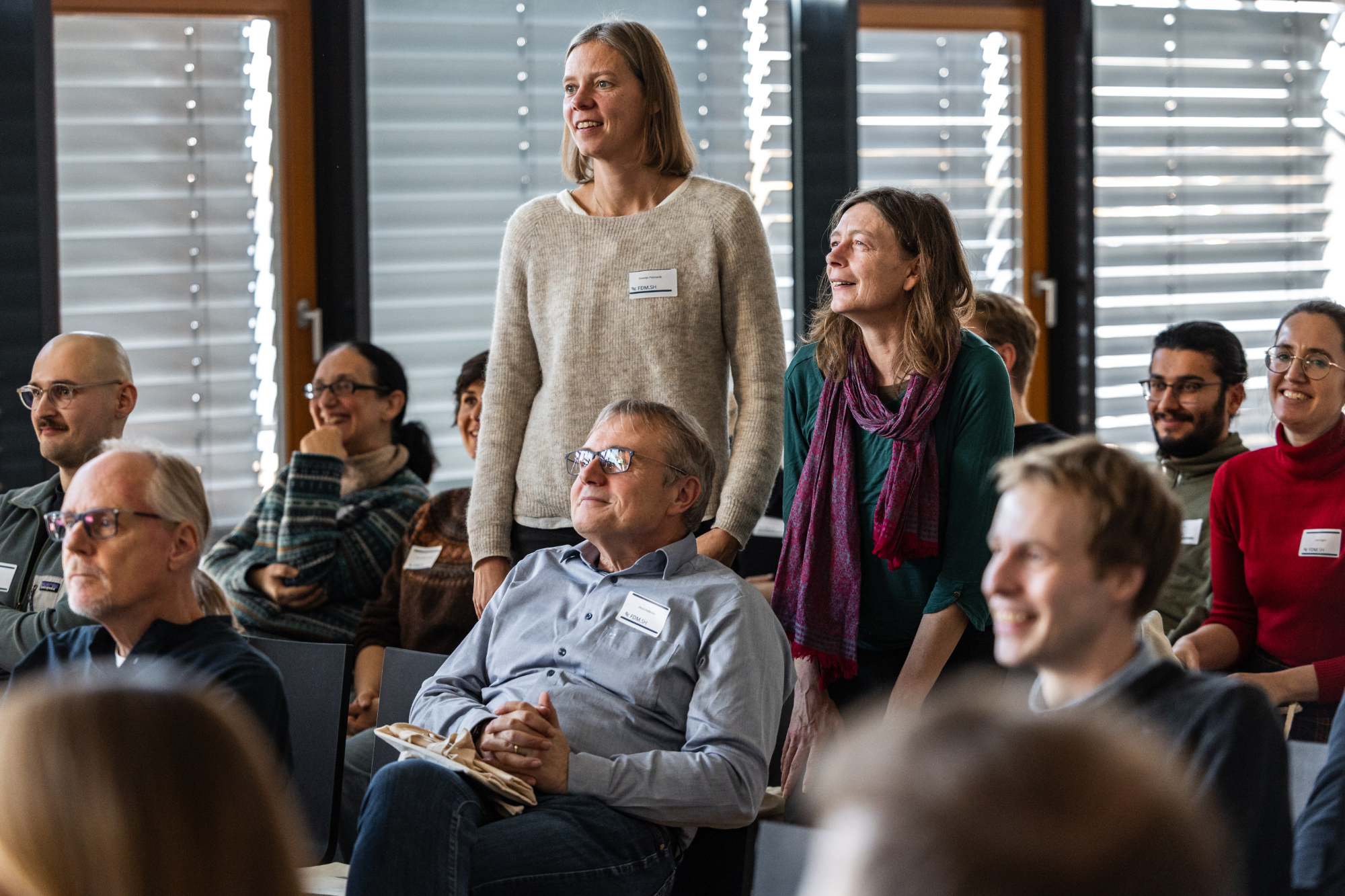
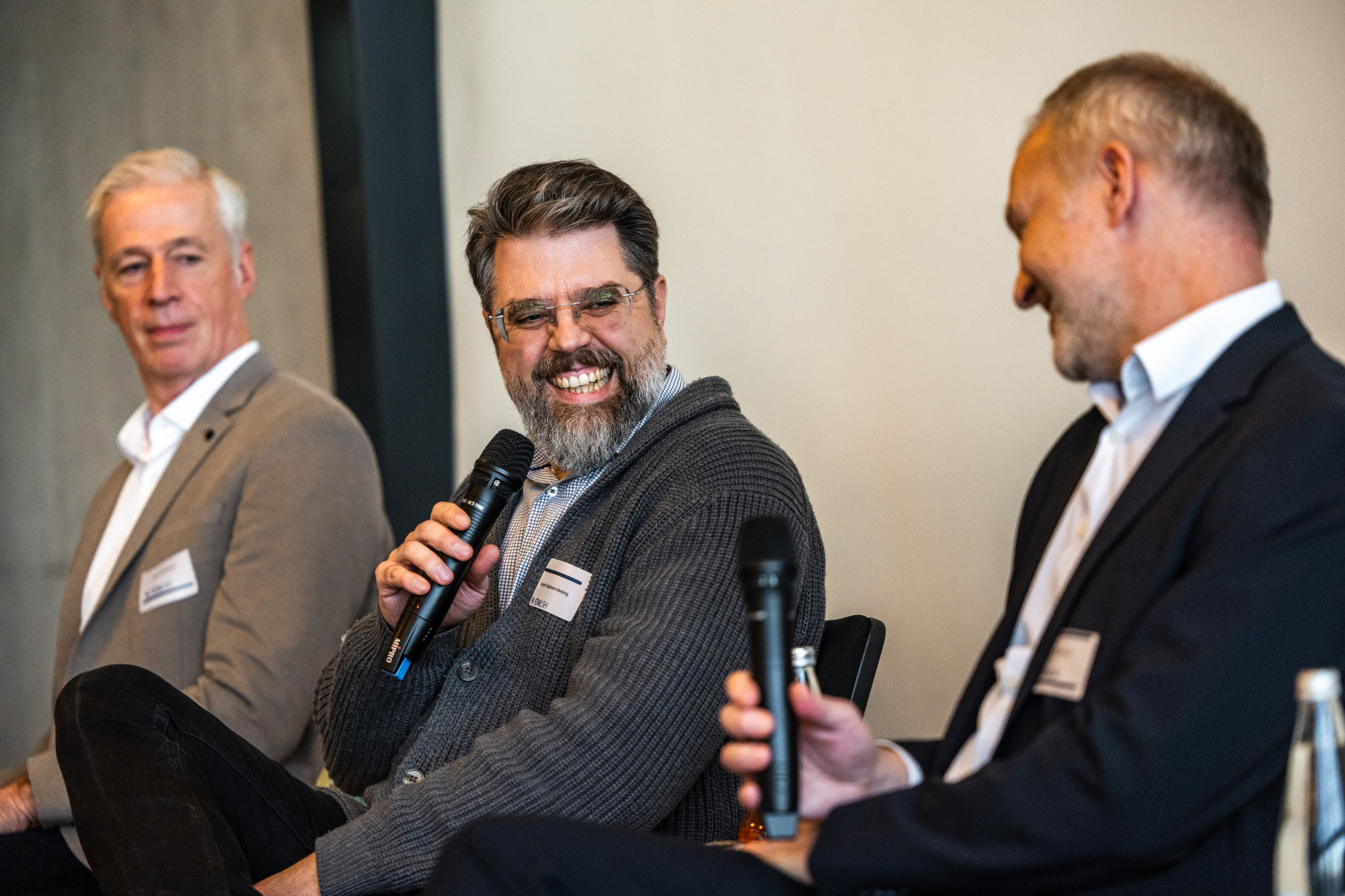
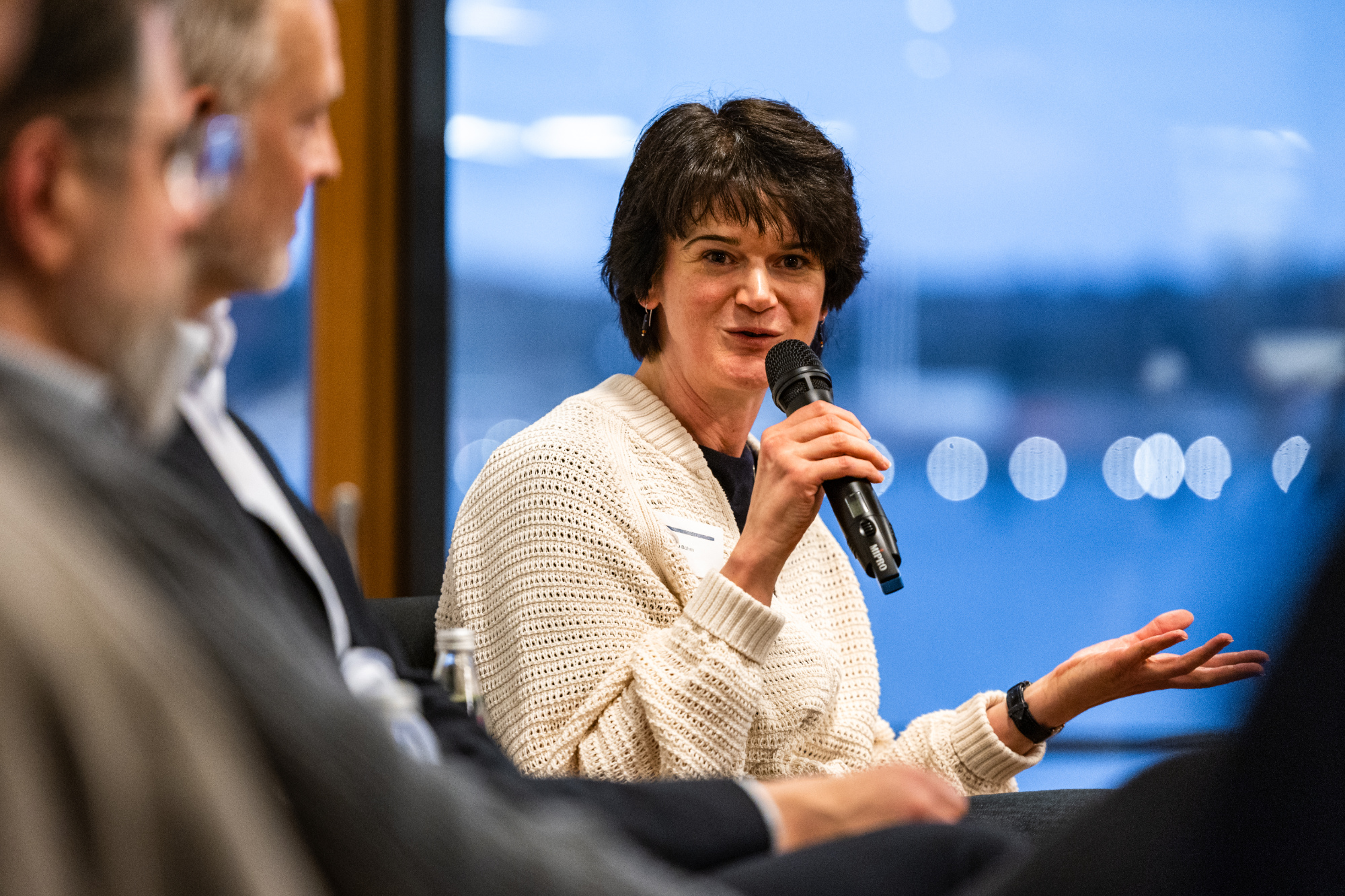
“What will good research data management in Schleswig-Holstein need in 2031?” This question was at the heart of the subsequent fishbowl discussion. Klaus Tochtermann (ZBW), Thilo Paul-Stüve (GFZ) and Bastian Voigtmann (EUF) joined members of the community to discuss future challenges and development opportunities for FDM.SH. The open seats in the discussion circle allowed other participants to actively contribute their perspectives.
Key topics included the importance of sustainable, long-term structures, improving the FAIRness of research data, and involving researchers more closely in research data management activities. Participants emphasised that research data management should be considered from the very beginning of the research planning process. Engaging additional stakeholders, including those from industry and the cultural sector, was also highlighted as an important approach to the initiative’s future development.
Thank You!
We are delighted by the many encounters and engaging conversations, and we would like to thank everyone who attended and contributed to making the General Assembly a success.
Our special thanks go to ZBW, which not only provided us with its facilities but also offered invaluable support in preparing and organizing the General Assembly.
We would also like to thank Gunnar Dethlefsen, who documented the event through his photography and captured the memorable moments of the day.